
 English
 Indonesian
 简体字
简体字
 العربية
 Español
 Français
 Português
 日本語
日本語
 한국어
한국어
 Tiếng Việt
Sign In to Continue
To view and access the document, you are required to sign in to your account first.
Don't have an account? Sign Up Here
Home What Drives RBD Palm Stearin Prices in Asia?
Pricing Indices | 11 May 2026
What Drives RBD Palm Stearin Prices in Asia?
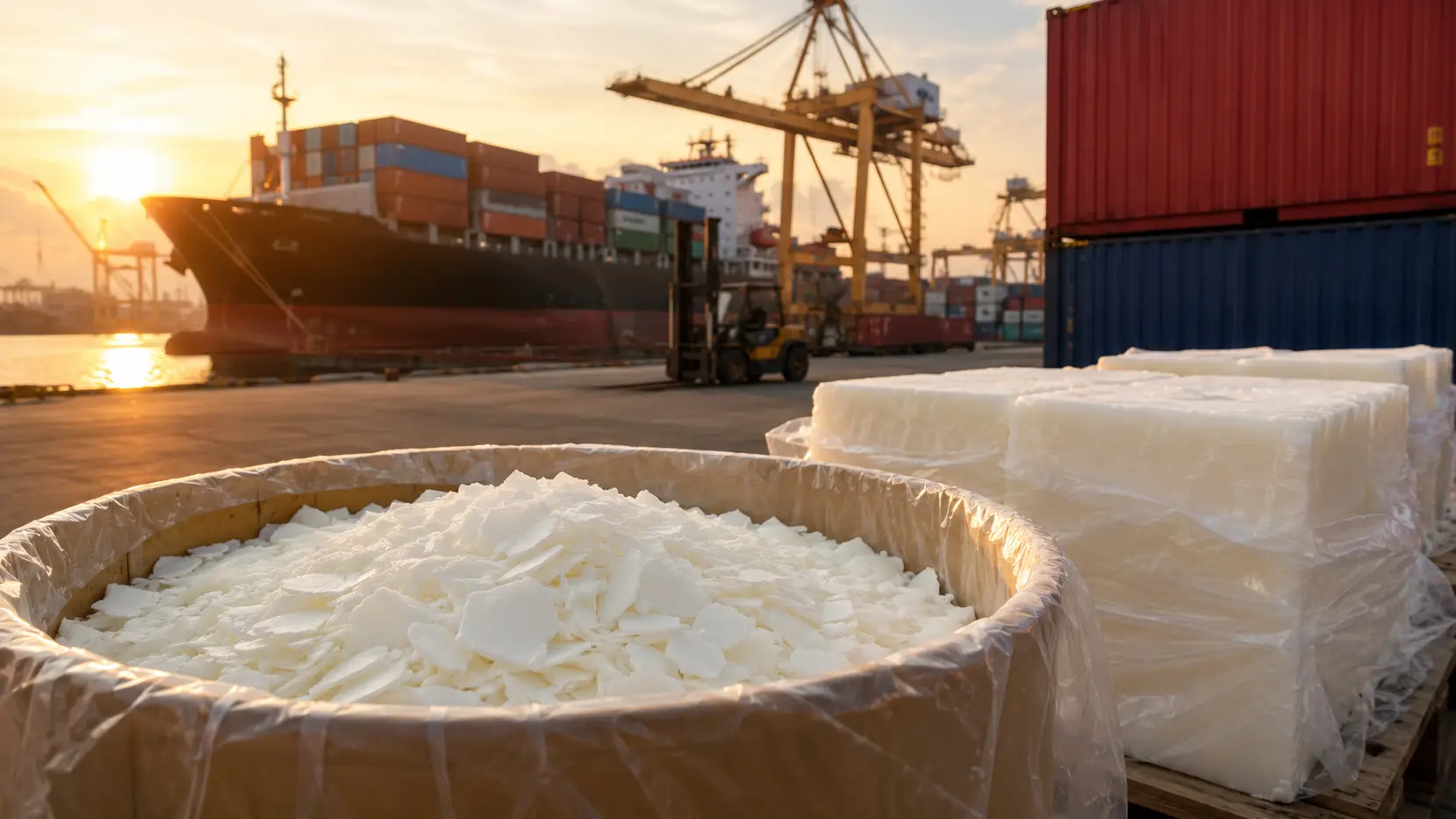
Table of Content
-
Introduction
-
Product Overview: What Is RBD Palm Stearin?
-
Key Supply-Side Drivers of RBD Palm Stearin Prices in Asia
-
Demand, Applications, and Value Drivers for Palm Stearin
-
Trade Flows, Policies, and Regional Price Dynamics
-
Conclusion
Introduction
Across Asia, RBD palm stearin has become a critical input for food manufacturers, oleochemical producers, biodiesel refiners, and soap and detergent formulators. As a solid fraction derived from refined, bleached and deodorized palm oil, palm stearin offers a unique combination of melting profile, oxidative stability, and cost competitiveness. Because it is closely tied to the broader palm oil complex, its price can be volatile, influenced by weather patterns, policy shifts, energy markets, and changing consumer demand.
For buyers and sellers operating in regional hubs such as Indonesia, Malaysia, India, China, and Singapore, understanding what drives RBD palm stearin prices in Asia is essential to managing procurement risk and protecting margins. Over the last decade, palm oil and its fractions have experienced wide price swings, with benchmark crude palm oil (CPO) futures on Bursa Malaysia oscillating from below 2,000 MYR/tonne in 2019 to above 7,000 MYR/tonne at peaks in 2022. These movements cascade directly into the pricing of downstream products such as palm olein and palm stearin.
This article provides a structured overview of the key forces shaping palm stearin pricing in Asia, with a particular focus on how market participants can use data, benchmarks, and specialized resources such as palmstearin.net to make more informed decisions. We will cover product characteristics, supply and demand fundamentals, trade and policy influences, and practical implications for different user industries.
Product Overview: What Is RBD Palm Stearin?
RBD palm stearin is the higher melting, more saturated fraction obtained when refined, bleached and deodorized (RBD) palm oil is fractionated. Through controlled cooling and crystallization, palm oil is separated into a liquid fraction (RBD palm olein) and a solid fraction (RBD palm stearin). Stearin typically exhibits a higher slip melting point and a more solid consistency at ambient temperatures, making it suitable for applications that require structure, hardness, and oxidative stability.
From a typical specification standpoint, commercial palm stearin for food and oleochemical use may have a free fatty acid (FFA) content of max. 0.1–0.2%, moisture and impurities below 0.1%, and an iodine value in the range of 30–40 g I2/100 g, depending on grade and origin. Slip melting points often range from 44–56°C, with specialized high-melting stearins offered for bakery fats and confectionery. These specification parameters affect performance in end-use applications and can also influence price differentials between lots, origins, and customized blends.
Because RBD palm stearin is a co-product of palm olein production, its supply is inherently linked to overall palm oil refining and fractionation activity. When demand for liquid oils (such as frying-grade olein) is strong, fractionation rates tend to increase, generating more stearin. Conversely, when refiners cut runs or when olein demand weakens, stearin availability can tighten. This structural relationship is a core reason why stearin prices often trade at a discount to CPO or olein, yet can temporarily spike when specific regional demand (for example, from biodiesel or soap makers) outpaces supply.
Key Supply-Side Drivers of RBD Palm Stearin Prices in Asia
On the supply side, the most fundamental driver of RBD palm stearin prices is the availability and cost of crude palm oil. Indonesia and Malaysia together account for roughly 80–85% of global palm oil production, and weather patterns such as El Niño, La Niña, and localized droughts or flooding can significantly affect yields. For instance, the strong El Niño event of 2015–2016 contributed to lower fresh fruit bunch (FFB) output, eventually tightening CPO supply and pushing up prices. Similar climate events in 2019–2020 and 2023–2024 have periodically raised concerns about production, which in turn lifted the cost base for all refined fractions, including stearin.
Another major factor is refining and fractionation capacity utilization in key producing countries. When refiners in Indonesia and Malaysia run at high rates to meet export demand for RBD palm olein and other derivatives, the output of palm stearin naturally increases. In periods of strong global demand for edible oils—such as during the 2020–2022 period, when supply chain disruptions and tightness in sunflower and soybean oil markets boosted palm usage—refining margins and throughput tend to rise. This can result in abundant stearin supply and a wider discount to CPO. Conversely, if refining margins are squeezed or export policies discourage refined product shipments, stearin output can fall, narrowing the discount.
Government policies in producer countries also have a direct bearing on stearin supply costs. Indonesia’s export duties and levies on CPO and refined products, as well as its shifting biodiesel blending mandates (such as B30 and B35 programs), influence how much palm oil is diverted to domestic biofuel versus export markets. When more palm oil is absorbed domestically for biodiesel, less is available for refining into olein and stearin, potentially tightening global supply. As these policies evolve, market participants who track updates via industry sources and specialized platforms like palmstearin.net can better anticipate changes in stearin price structures.
Demand, Applications, and Value Drivers for Palm Stearin
On the demand side, RBD palm stearin serves a broad range of industries, each with its own price sensitivity and quality requirements. In the food sector, stearin is used in bakery shortenings, margarine blends, confectionery fats, and frying fat formulations, often in combination with other vegetable oils. Its relatively high melting point and oxidative stability make it a cost-effective alternative or complement to fully hydrogenated fats, cocoa butter substitutes, and animal fats. When global food consumption grows—especially in emerging Asian economies—demand for structured fats tends to rise, supporting stearin usage and pricing.
Beyond food, palm stearin is a key feedstock for oleochemical products such as stearic acid, fatty alcohols, and glycerine, which in turn are used in personal care, detergents, rubber, plastics, and industrial lubricants. When downstream sectors like home and personal care or automotive manufacturing expand, oleochemical producers often seek competitively priced stearin to secure margins. In some years, strong oleochemical demand in China, India, and Southeast Asia has tightened the regional stearin balance, lifting prices even when food demand was relatively stable.
Another important consumer of stearin in Asia is the biodiesel industry. Although palm methyl ester (PME) is typically produced from palm oil or palm olein, certain biodiesel formulations and renewable fuels can incorporate stearin-based feedstocks, especially when regulations favor low-cost or waste-based inputs. When energy prices are high and biofuel mandates are strong—as seen in periods of elevated crude oil prices—demand for all palm-based feedstocks, including RBD palm stearin, can increase. This link to energy markets adds another layer of complexity to price formation, making it essential for buyers to monitor both agricultural and energy trends.
Trade Flows, Policies, and Regional Price Dynamics
Trade flows and regional policies play a central role in shaping palm stearin price differentials across Asia. Indonesia and Malaysia export large volumes of RBD palm stearin and related products to India, China, Pakistan, Bangladesh, and the Middle East. Freight costs, port congestion, and vessel availability can all affect landed prices. For example, during the peak of the COVID-19 pandemic and subsequent recovery, container shortages and high freight rates significantly widened the gap between FOB prices in Southeast Asia and CIF prices in destination markets, temporarily eroding the typical discount structure of stearin relative to alternative fats.
Import policies in major consuming countries also influence demand patterns and pricing. India, one of the world’s largest importers of vegetable oils, periodically adjusts basic customs duties and tariff rate quotas on crude and refined palm products. When duties on refined palm oil and stearin are reduced, imports of RBD fractions may surge, increasing competition among suppliers and affecting regional price benchmarks. Conversely, higher duties or non-tariff barriers can slow imports, leading to localized tightness or oversupply, depending on domestic refining capacity and stock levels.
To navigate these complexities, many market participants rely on price benchmarks, independent assessments, and specialized intelligence platforms. Resources such as palmstearin.net aggregate market data, trade statistics, and price indications for RBD palm stearin and related products, helping buyers compare offers across origins, shipment periods, and quality grades. By tracking spreads between CPO, olein, and stearin, as well as between FOB Southeast Asia and CIF destination markets, users can better understand when stearin is relatively undervalued or overvalued, and adjust their procurement strategies accordingly.
Conclusion
In Asia’s dynamic edible oils and oleochemicals landscape, RBD palm stearin occupies a strategic position as a versatile, cost-effective solid fat for food, chemical, and energy applications. Its price is shaped by an intricate interplay of upstream palm oil production, refining and fractionation economics, regional demand patterns, trade flows, and policy frameworks. Weather events, biofuel mandates, and shifts in global vegetable oil balances can all trigger rapid adjustments in stearin values, with direct implications for buyers’ cost structures and competitiveness.
For procurement teams, formulators, and traders, the key to managing exposure lies in combining an understanding of these fundamental drivers with timely, reliable market information. Monitoring CPO futures, export policy changes, freight trends, and sector-specific demand indicators—alongside specialized price and market intelligence from platforms such as palmstearin.net—enables more informed contracting, hedging, and inventory decisions. By aligning product specifications, application requirements, and risk appetite with evolving market conditions, stakeholders can capture the benefits of palm stearin while mitigating volatility.
This article is intended solely for informational and market insight purposes and does not constitute technical, safety, financial, or other professional advice. Readers should independently verify all information with qualified experts, consult official documentation such as MSDS/SDS and relevant regulations, and, where appropriate, contact our team or other competent advisors before making decisions or using these products in specific applications.
Continue Reading This Article?
Access the complete article and discover related coverage.
Tags
Explore Popular Pricing Indices
Explore Popular Pricing Indices
Don't miss out on our updates!
Subscribe to our newsletter now
We're committed to your privacy. Tradeasia uses the information you provide to us to contact you about our relevant content, products, and services. For more information, check out our privacy policy.